
The Cost of Waiting:
The Economic Burden of a Delayed Spondyloarthritis Diagnosis in Canada
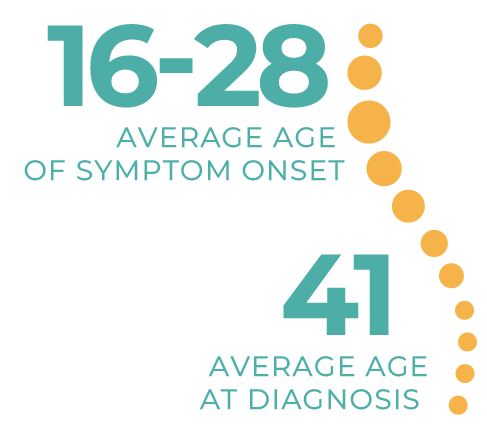
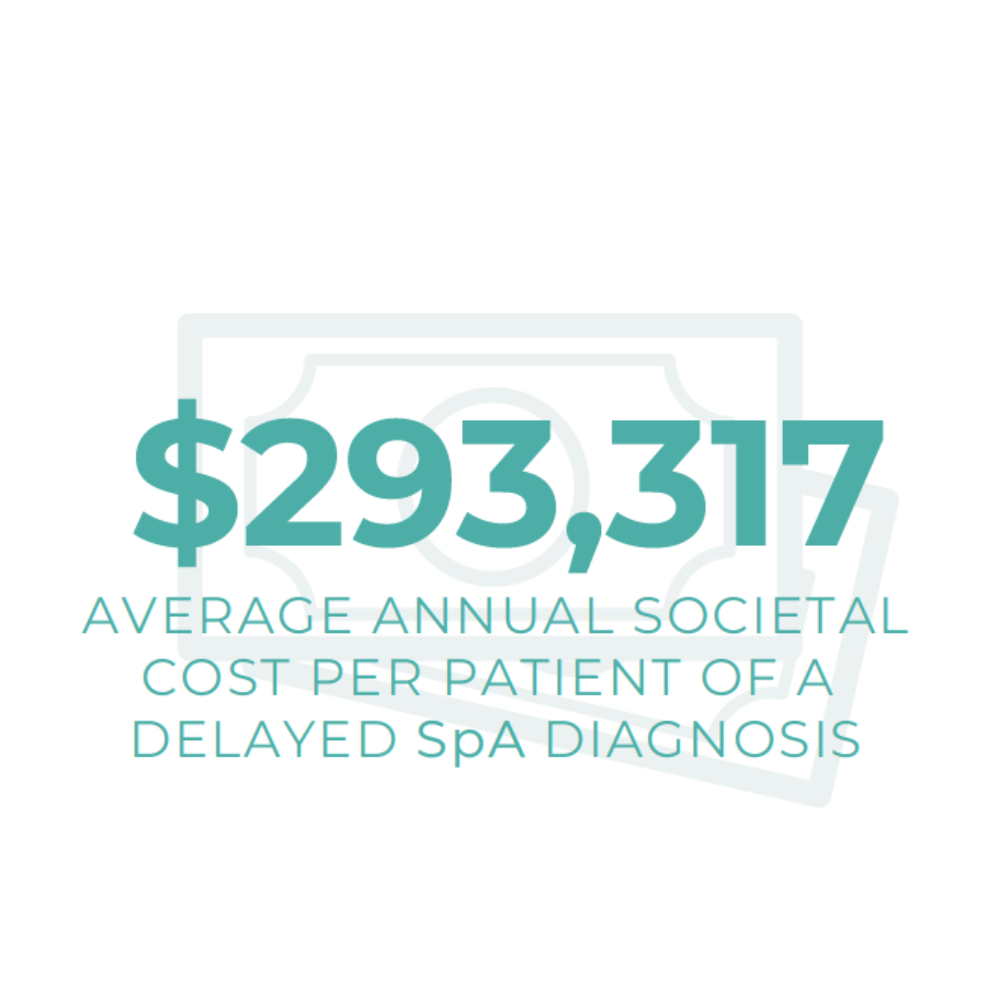
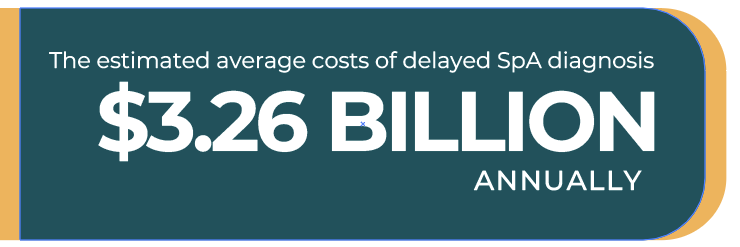
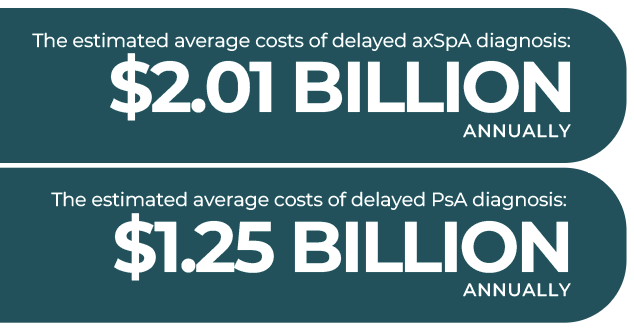
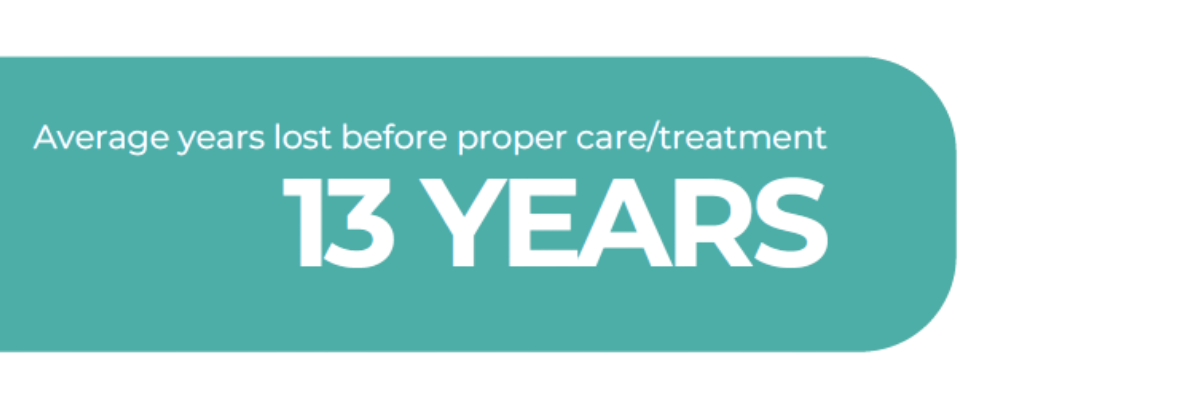
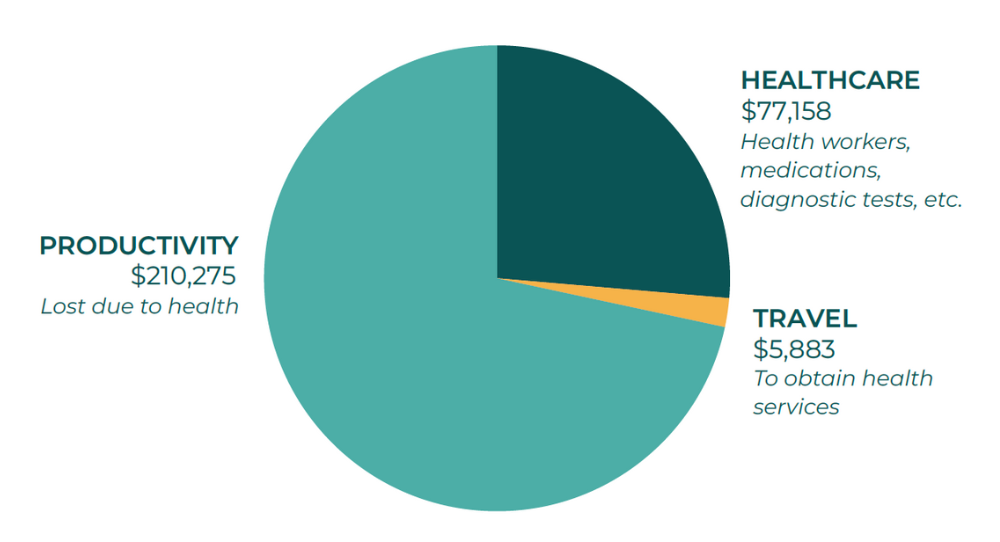
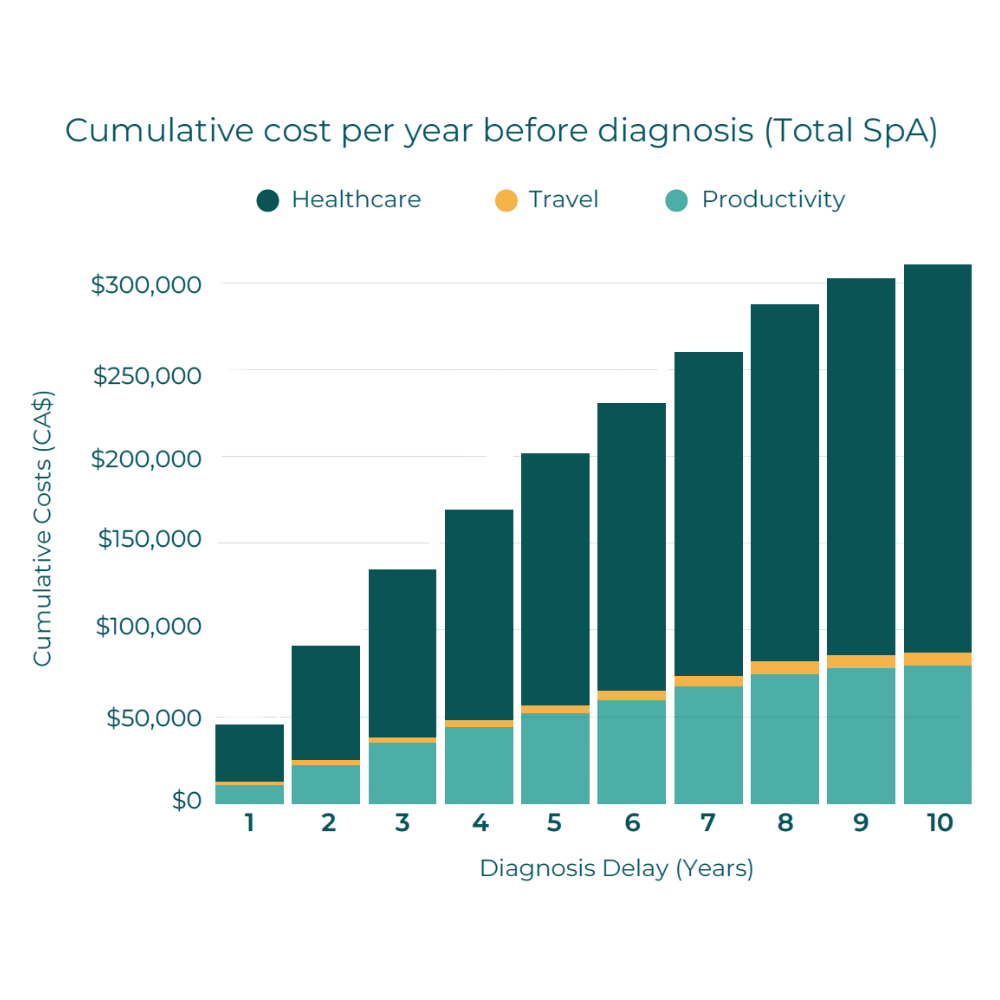
)A delayed diagnosis of spondyloarthritis (SpA) carries a profound economic and personal cost in Canada, as highlighted in the 2025 CSA Burden of Illness Report. With more than 500,000 Canadians living with SpA and an average 13-year delay before receiving proper care, the impact extends far beyond health—driving significant losses in productivity, escalating healthcare use, and increasing travel-related costs. The findings show that delayed diagnosis contributes to a staggering $3.26 billion in annual costs ($2.01 billion for axial SpA and $1.25 billion for psoriatic arthritis), underscoring the urgent need for earlier detection, coordinated care, and national action. This report reveals not just the financial burden, but the human toll of years spent searching for answers, emphasizing why reducing the delay to diagnosis must be a Canadian healthcare priority.
Spondyloarthritis (SpA) is a group of inflammatory diseases including:
Axial SpA (axSpA), Psoriatic Arthritis (PsA), Enteropathic Arthritis, and Reactive Arthritis.

About the Report
The Burden of Illness analysis was conducted in collaboration with the University of British Columbia (UBC) and led by Dr. Nick Bansback, a Professor in the School of Population and Public Health and a leading expert in health economics and decision science.
This work was grounded in meaningful stakeholder and patient engagement, ensuring the analysis reflected real-world experiences of people living with spondyloarthritis. Patients, clinicians, and system stakeholders contributed insights on diagnostic delays, care pathways, productivity loss, and out-of-pocket costs.
By integrating lived experience with rigorous economic modelling, this research provides evidence that is clinically relevant, patient-centred, and policy-ready, strengthening the case for earlier diagnosis and improved care pathways across Canada.