

When Pain Is More Than Back Pain: Understanding Spondyloarthritis in Canada
Pain is often easy to dismiss—especially when it looks like something common. Back pain. Psoriasis. Even what feels like “growing pains.” But when pain becomes persistent, unpredictable, and life-altering, it may be something far more serious: spondyloarthritis (SpA).
This often misunderstood and underdiagnosed form of inflammatory arthritis affects over 500,000 Canadians—more people than those living with rheumatoid arthritis. Yet despite its prevalence, it can take 7 to 10 years on average to receive a diagnosis. During that time, the disease can progress, sometimes leading to permanent damage such as spinal fusion, chronic pain, and significant impacts on daily life.
This is why awareness matters—and why stories like Georgina’s are so important.
Understanding Spondyloarthritis
Spondyloarthritis (SpA) is a form of inflammatory arthritis that primarily affects the spine, joints, and where tendons and ligaments attach to bone. It can also affect other areas of the body, including the eyes, skin, and digestive system.
Symptoms vary widely but often include chronic back or neck pain, stiffness that is worse in the morning or after rest, and ongoing fatigue. In some cases, individuals also experience eye inflammation such as uveitis, bowel conditions like Crohn’s disease, or psoriasis.
Because symptoms can develop gradually and appear unrelated, spondyloarthritis is frequently misunderstood or missed altogether. This contributes to a diagnostic delay that averages between seven and ten years, a period during which the disease can progress and cause lasting damage.
The Challenge of Delayed Diagnosis
One of the most significant issues facing people living with spondyloarthritis is the length of time it takes to receive a diagnosis. Many individuals are initially told that their symptoms are not serious or are unrelated to a rheumatologic condition. Normal imaging results, such as X-rays, can further delay recognition of the disease, especially in its early stages.
Georgina’s story reflects this reality. Despite having a family history of spondyloarthritis, the genetic marker associated with the disease, and symptoms that aligned with it, she went nearly 30 years without a diagnosis. Along the way, she was told that her symptoms were unlikely to be spondyloarthritis and that her test results did not show anything conclusive.
These experiences are not uncommon. Many people are left navigating worsening symptoms without clear answers, often while being required to advocate repeatedly for further investigation.
Life Before and After Diagnosis
By the time Georgina finally received a diagnosis, her symptoms had become severe and widespread. She was experiencing chronic back and neck pain, uveitis, and Crohn’s disease, all of which are known to be associated with spondyloarthritis.
While the diagnosis confirmed what she had long suspected, it also marked a turning point. It provided clarity, validation, and most importantly, access to appropriate treatment. For many individuals, certain therapies, including biologic medications, are only available once a confirmed diagnosis is made.
The Impact of Biologic Treatment
Following her diagnosis, Georgina began biologic therapy. Within a few months, she began noticing meaningful improvements. Her pain and stiffness decreased, her fatigue became more manageable, and most notably, her recurring uveitis stopped.
Although biologics are not a cure, they can significantly reduce inflammation, slow disease progression, and improve quality of life for many individuals living with spondyloarthritis. However, they are not standalone solutions, and many people continue to manage symptoms through a combination of medication, movement, and lifestyle adjustments.
Emotional Struggles
Three years after diagnosis, Sarah found herself in the "mourning stage," grieving for her past life when she didn't need multiple daily medications and bi-weekly injections, when she could complete a daily to-do list, when she could live pain-free. As many do, she struggled with others not understanding her experience. When she said she was tired, people thought she was lazy, not realizing her immune system was literally directing her body's energy toward attacking itself.
Sarah's path took another difficult turn when she developed nerve problems in her hands and feet. After filling more than 60 vials of blood in three months and undergoing a spinal puncture, she was diagnosed with a second rare autoimmune disease called CIDP (chronic inflammatory demyelinating polyneuropathy), an extremely rare side effect of Cimzia, the medication that had given her relief.
The Role of Movement in Managing Symptoms
One of the most challenging aspects of spondyloarthritis is the relationship between pain and movement. While rest may feel necessary during flare-ups, prolonged inactivity can often worsen stiffness and discomfort. At the same time, movement itself can be difficult when pain is high.
Georgina’s return to physical activity was gradual and cautious. She began with gentle yoga, supported by programs designed specifically for people living with spondyloarthritis. Over time, she slowly incorporated walking, swimming, and other forms of exercise into her routine.
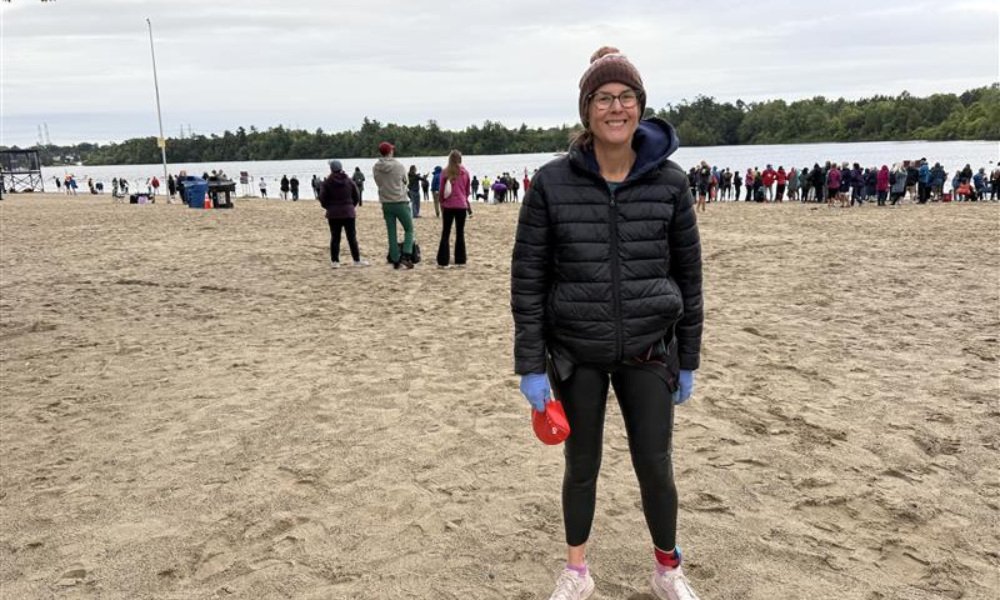
Eventually, she achieved something she never thought possible: completing a three-kilometre open water swim. Her journey highlights an important truth—progress is often slow, but even small steps forward can lead to meaningful change over time.

The Emotional Impact of Chronic Illness
Beyond physical symptoms, spondyloarthritis can have a significant emotional and psychological impact. Chronic fatigue is one of the most commonly reported and least understood aspects of the disease. It is not simply tiredness, but a deep and persistent exhaustion that can affect concentration, memory, and overall functioning.
Many individuals also experience feelings of isolation or frustration, particularly when their symptoms are not visible to others. This invisibility can make it difficult to communicate the seriousness of the condition and can sometimes lead to feelings of being dismissed or misunderstood.
Finding Strength Through Community
Support plays a vital role in managing a chronic condition like spondyloarthritis. Georgina now contributes to the community as a support group leader, offering guidance and encouragement to others navigating similar challenges.
Her approach is grounded in lived experience. On difficult days, she emphasizes focusing on what is possible rather than what is not. This may mean gentle movement, rest, or simple self-care strategies such as stretching or taking a warm bath. These small actions can help individuals regain a sense of control during periods of flare or fatigue.
She also highlights the importance of shared experience. Support groups provide a space where individuals can connect with others who truly understand what they are going through, offering both practical advice and emotional reassurance.
Self-Advocacy and the Path to Diagnosis
One of the recurring themes in spondyloarthritis care is the importance of self-advocacy. Because diagnosis is often delayed, individuals are frequently required to push for further testing or specialist referrals.
While this can be difficult—particularly when living with pain or exhaustion—persistence is often essential. Learning about the disease, recognizing symptom patterns, and continuing to seek answers can all contribute to a faster diagnosis and earlier access to treatment.
You Are Not Alone
For those experiencing ongoing pain, stiffness, or unexplained fatigue, it is important to know that support exists. Across Canada, individuals and organizations are working to raise awareness, improve diagnosis times, and provide resources for those affected.
The Canadian Spondyloarthritis Association offers education, support programs, and community connections for individuals and families impacted by the disease. Whether someone is newly diagnosed or still searching for answers, they are not alone in their journey.
Moving Forward
Spondyloarthritis does not look the same for everyone. Some individuals remain highly active, while others may struggle with daily tasks during flare-ups or more advanced stages of the disease. There is no single way to live with this condition.
What remains consistent, however, is the importance of awareness, timely diagnosis, and access to care. When persistent pain is more than just back pain, it deserves attention. With the right support, information, and treatment, many individuals can find meaningful ways to manage their symptoms and improve their quality of life.